
Ear Infections in Children: Signs, Causes and When to See a Pediatrician
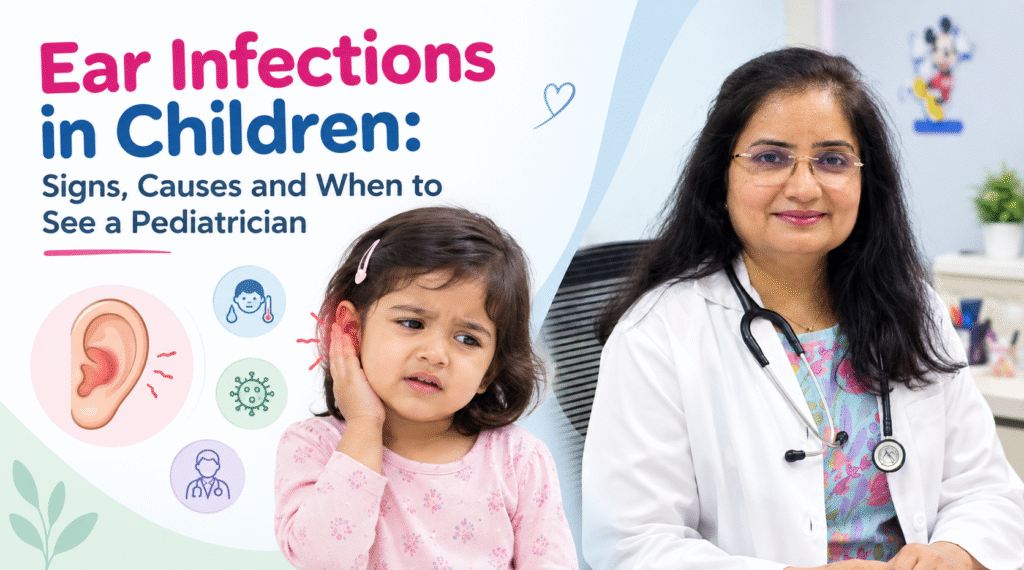
Ear infections are a common childhood problem, particularly during the early years. They can appear after a cold, cause considerable discomfort, and sometimes affect hearing for a short period. Because young children may not be able to explain what hurts, parents often have to notice changes in behaviour, sleep, feeding, or communication. Understanding the early signs can help families seek appropriate care without delaying when medical attention is needed.
Why Children Get Ear Infections
A middle ear infection often develops when fluid collects behind the eardrum. In children, the Eustachian tubes are shorter and positioned differently from those in adults, so fluid may not drain as easily. A cold, flu, or nasal congestion can further block these tubes. Bacteria or viruses may then grow in the trapped fluid. Children are also more susceptible because their immune systems are still developing. Exposure to cigarette smoke and frequent respiratory infections can add to the risk.
Common Signs Parents May Notice
Ear pain is one of the most noticeable symptoms, but it is not always easy to identify in a baby or toddler. A child may repeatedly rub or pull an ear, cry more than usual, become unusually irritable, or wake frequently at night. Fever can occur, and some children may eat less because swallowing can increase pressure or discomfort. Fluid or discharge from the ear is another important sign. Older children may complain of muffled hearing or say that sounds seem different.
Not Every Earache Means an Infection
Ear pain can have several causes. A child may experience pressure during a cold or allergy flare, irritation of the outer ear after swimming, throat discomfort, or other conditions that feel similar to an ear infection. Ear pulling alone is also not enough to confirm an infection, especially in babies who may touch their ears simply as part of normal behaviour. A pediatrician needs to examine the eardrum to determine whether fluid, inflammation, or infection is present.
When Parents Should Contact a Pediatrician
Medical advice is important when ear pain is severe, symptoms are getting worse, hearing seems reduced, or fluid or pus is coming from the ear. A child with symptoms that continue for more than two or three days should also be assessed. A high fever, particularly around 39°C (102.2°F) or above, is another reason to seek medical care. Babies younger than three months with a temperature of 38°C (100.4°F) or higher need prompt medical evaluation.
How Ear Infections Are Evaluated
During an examination, the pediatrician will ask about recent illnesses, symptoms, sleep, feeding, and any previous ear problems. The ear is then examined with an otoscope to look at the eardrum and check for signs of fluid or inflammation. This examination helps distinguish a middle ear infection from fluid that remains after an infection or from other causes of ear discomfort. Treatment depends on the child’s age, symptoms, examination findings, and overall condition. Antibiotics are not necessary for every ear infection, so they should be used only when advised by a qualified clinician.
Supporting Ear Health at Home
Parents can reduce some risks by keeping children away from tobacco smoke, encouraging good hand hygiene, and keeping routine vaccinations up to date. During an illness, offer fluids and allow the child to rest. If pain or fever medicine is needed, use only an age-appropriate medicine and dose recommended by a healthcare professional. Avoid putting drops, oil, cotton buds, or other objects into a child’s ear unless a clinician has advised it.
Why Follow-Up Matters
Most children recover well, but repeated infections or persistent fluid can sometimes interfere with hearing. Temporary hearing changes may affect how a child responds to speech or instructions, especially when fluid remains behind the eardrum. This is why ongoing ear problems deserve attention rather than repeated self-treatment. Regular developmental observation, including Child Growth and Development Tracking in Gurgaon, can also help parents and clinicians notice changes that may need further assessment.
Choosing the Right Pediatric Care
Parents looking for the Best Pediatrician in Palam Vihar can consider a clinician who listens carefully, examines the child thoroughly, explains the diagnosis clearly, and discusses treatment options according to the child’s individual needs. For recurrent ear problems, it is useful to keep a simple record of symptoms, fever, discharge, previous treatments, and how often episodes occur. This information can make future consultations more productive.
Conclusion
Ear infections can be painful and worrying, but early recognition and appropriate medical assessment can make the situation easier to manage. Watch for ear pain, unusual fussiness, poor sleep, fever, discharge, or changes in hearing, and seek professional advice when symptoms are severe, persistent, or worsening. Dr. Sonali Gaur encourages parents to avoid guessing the cause of ear pain or using leftover medicines. A timely examination can identify the problem and guide safe, child-specific care.