
Baby Colic: How to Recognize It and Comfort a Crying Newborn

Understanding What Colic Means Crying is one of the main ways newborn babies communicate. They may cry when they are hungry, tired, uncomfortable, too warm, or in need of closeness. Some otherwise healthy babies have repeated periods of intense crying that are difficult to settle. This pattern is commonly called colic. It often begins in…
Read MoreVitamin D Deficiency in Children: Signs Parents Should Not Ignore

Why Vitamin D Matters During Childhood Vitamin D helps the body absorb calcium and phosphorus, two minerals needed to build and maintain strong bones. During childhood, bones grow rapidly, making adequate vitamin D important for healthy development. The body can produce vitamin D when skin is exposed to sunlight, and smaller amounts come from certain…
Read MoreHealthy Weight in Children: Understanding BMI, Growth and Development
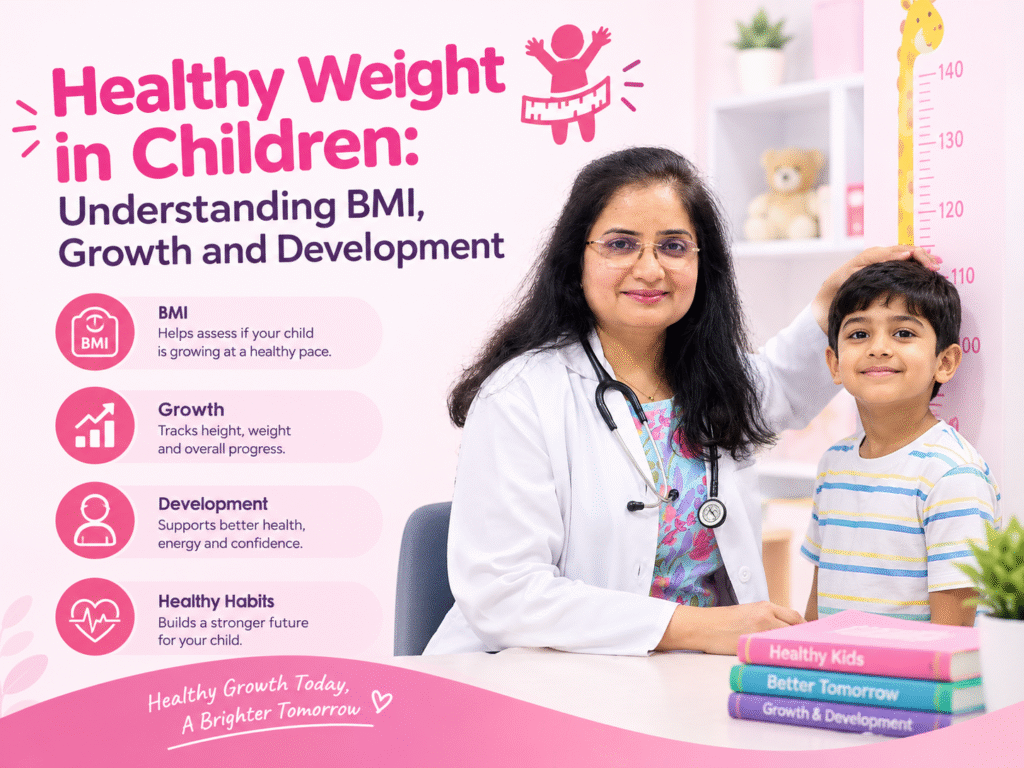
Why Healthy Weight Matters A child’s weight is one part of a much bigger picture of health. Children grow at different rates, and changes in height, weight, appetite, and body shape are normal throughout childhood. Rather than judging health by appearance alone, parents can look at a child’s energy, sleep, eating habits, physical activity, and…
Read MoreWhy Do Children Get Frequent Mouth Ulcers? Causes Parents Should Know
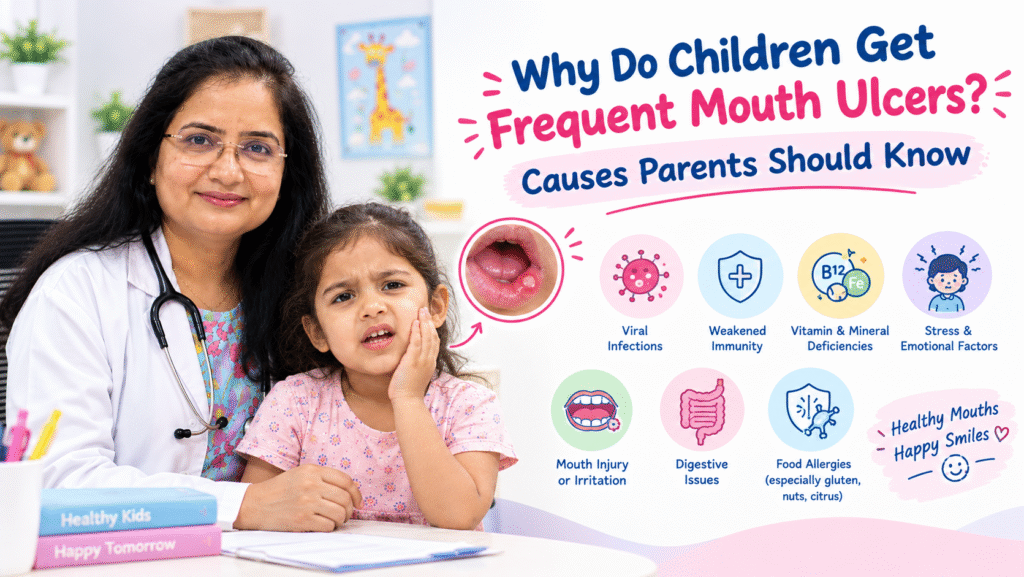
A child who suddenly refuses dinner, drools more than usual, or winces at the first sip of juice often has a small, painful sore somewhere inside the mouth. Mouth ulcers are very common in childhood, and most of them heal without treatment. When they keep returning, though, parents naturally start wondering what is behind them.…
Read MoreHow to Prepare Your Child for a Pediatrician Visit Without Fear or Anxiety
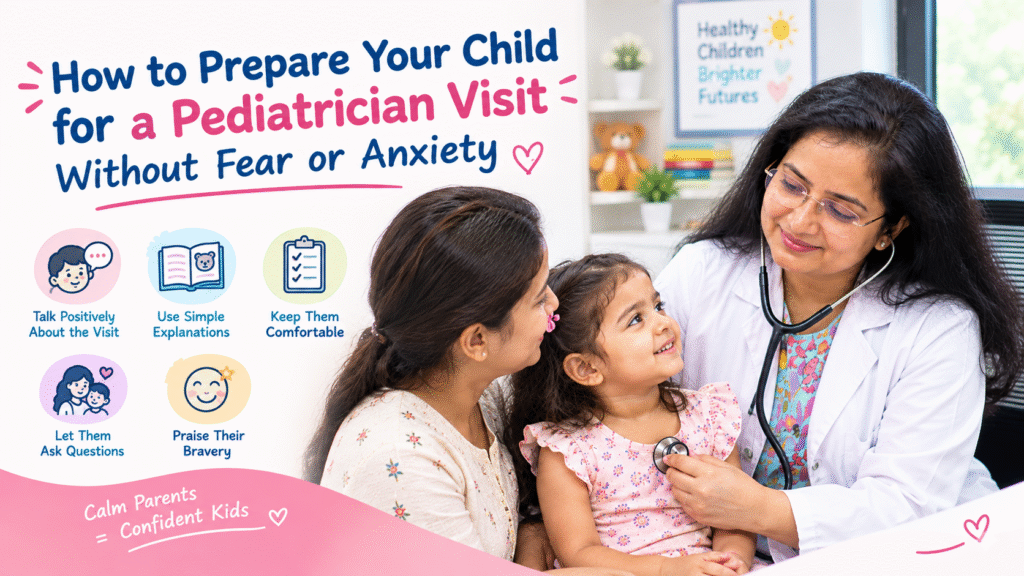
A visit to the doctor can feel unfamiliar to a child. New rooms, bright lights, medical equipment, and questions from unfamiliar people may create worry, especially if the child remembers an injection or another uncomfortable experience. Fear is a normal response, not misbehavior. A calm approach from parents can help children feel safer and learn…
Read MoreHow Parents Can Create a Healthy Daily Routine for Growing Children
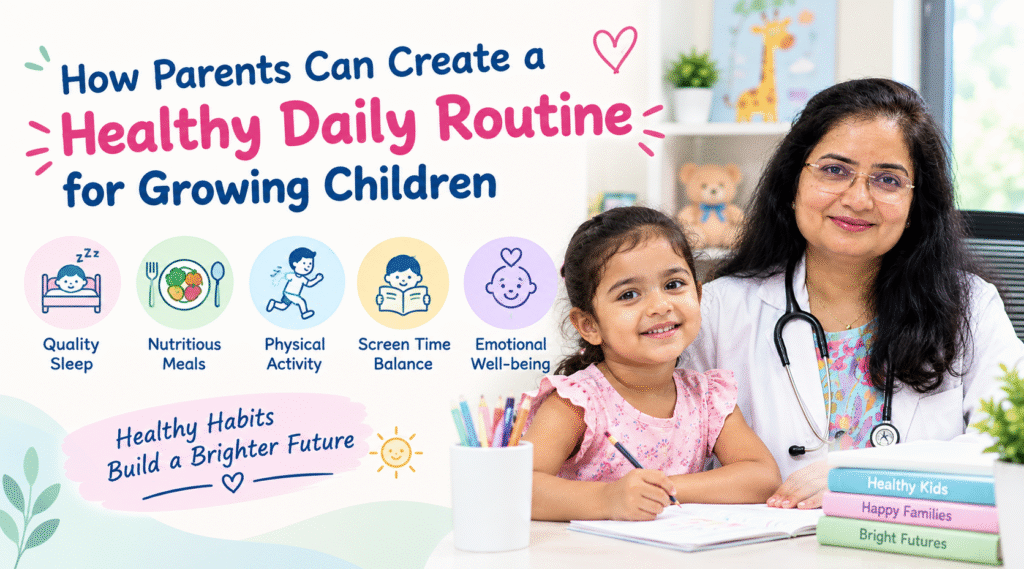
A healthy daily routine gives children a sense of structure while helping them manage school, play, meals, rest, and personal activities. Growing children need consistency, but their routine should also leave enough room for relaxation and family time. Simple habits followed regularly can support physical growth, emotional well-being, learning, and healthy development. Start the Day…
Read MoreEar Infections in Children: Signs, Causes and When to See a Pediatrician
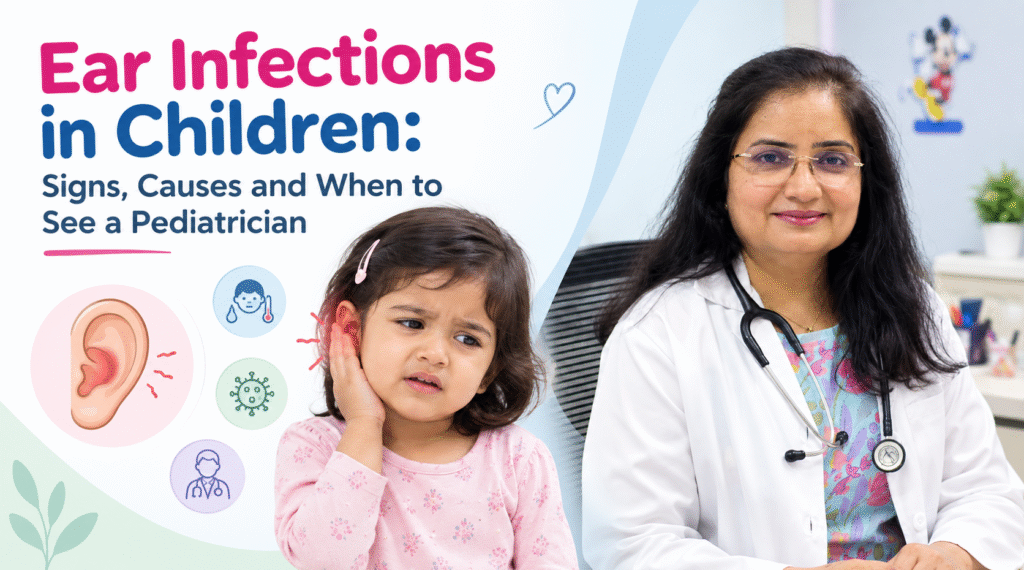
Ear infections are a common childhood problem, particularly during the early years. They can appear after a cold, cause considerable discomfort, and sometimes affect hearing for a short period. Because young children may not be able to explain what hurts, parents often have to notice changes in behaviour, sleep, feeding, or communication. Understanding the early…
Read MoreSpeech Delay in Children: Early Signs Parents Should Know
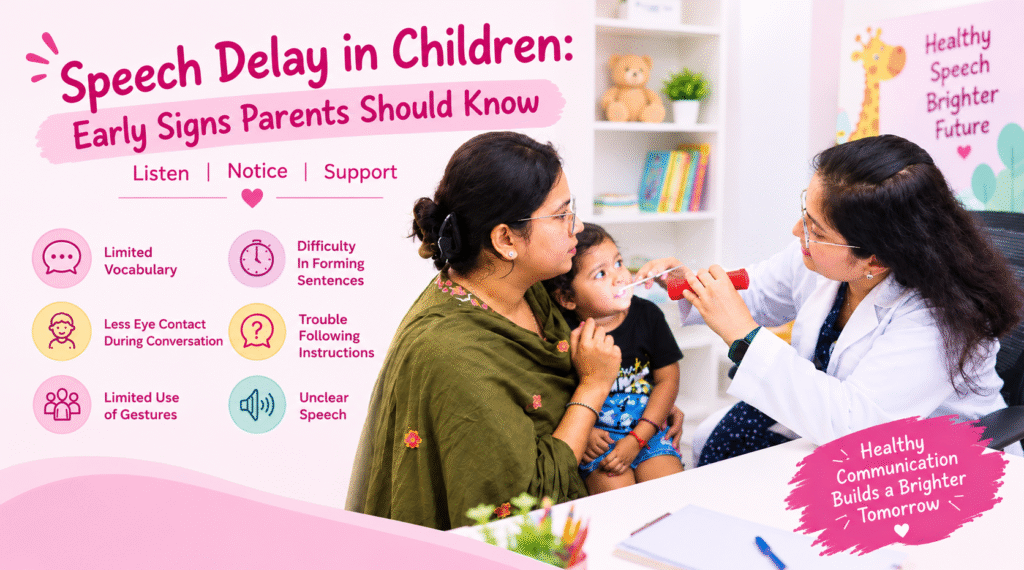
Every child picks up language at a slightly different pace, and comparing one toddler’s chatter to a cousin or classmate rarely gives an accurate picture. Still, there is a recognized range for when speech and language skills typically appear, and stepping outside that range for long enough is worth a closer look from a child…
Read MoreCommon Vaccine Myths Every Parent Should Know

Vaccines are among the most effective medical interventions in history, credited with saving millions of lives and eradicating or drastically reducing diseases that once devastated entire generations of children. Despite overwhelming scientific evidence supporting their safety and effectiveness, vaccine myths and misinformation continue to circulate often causing unnecessary fear and hesitation among parents. Understanding the…
Read MoreWhy Regular Visits to a Child Specialist in Gurgaon Matter
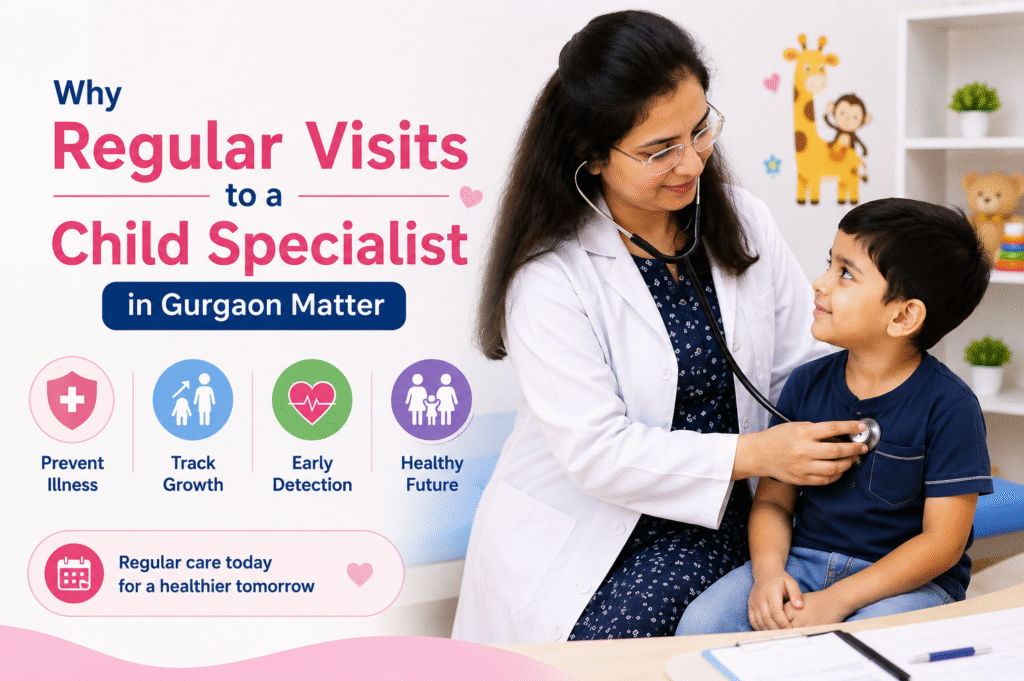
Many parents only think of visiting a doctor when their child is unwell. While treating illness is certainly an important part of pediatric care, regular visits to a child specialist offer far greater value they are a proactive, ongoing investment in your child’s overall health and development. From tracking growth patterns to catching subtle issues…
Read More