
Vitamin D Deficiency in Children: Signs Parents Should Not Ignore
Why Vitamin D Matters During Childhood
Vitamin D helps the body absorb calcium and phosphorus, two minerals needed to build and maintain strong bones. During childhood, bones grow rapidly, making adequate vitamin D important for healthy development. The body can produce vitamin D when skin is exposed to sunlight, and smaller amounts come from certain foods and supplements. However, a child’s needs may not always be met through these sources. Low levels over time can affect bone health, so parents should understand the possible warning signs and know when to seek medical advice.
Possible Causes of Low Vitamin D
Children may have low vitamin D for several reasons. Limited time outdoors, clothing that covers most of the skin, darker skin pigmentation, and consistently low intake of vitamin D-rich foods can contribute. Some children have medical conditions that affect how the body absorbs or processes nutrients. Babies who are exclusively breastfed may also need a vitamin D supplement, as breast milk alone usually does not provide enough. The right advice depends on a child’s age, diet, health, and individual risk factors.
Signs Parents Should Watch For
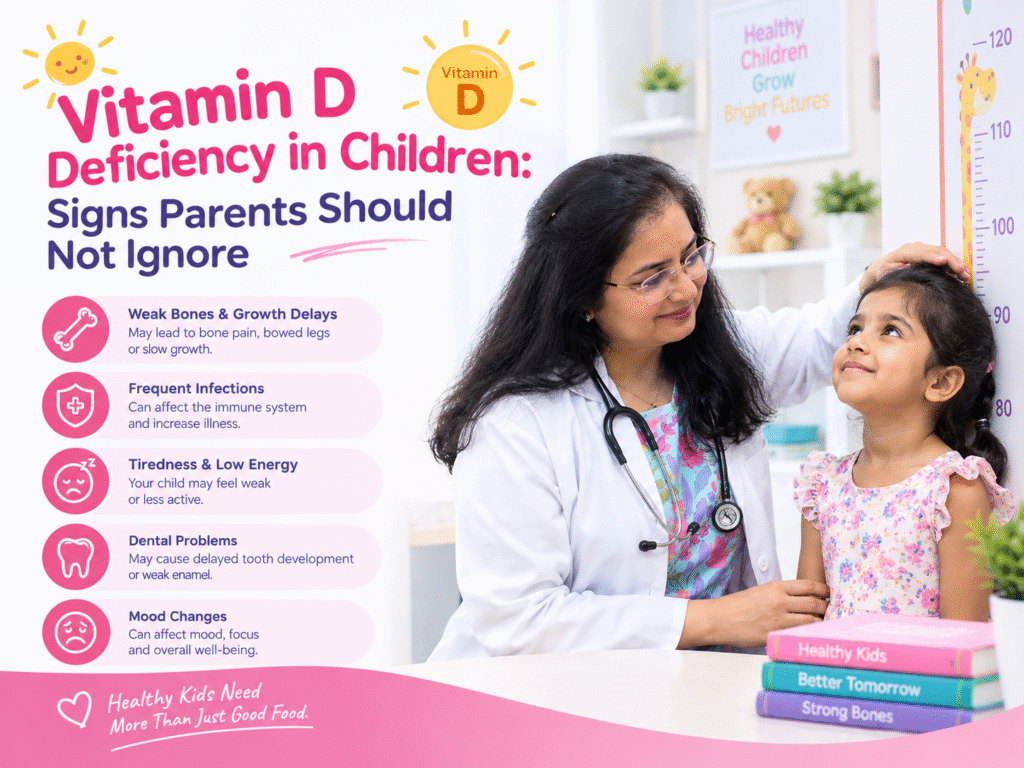
Vitamin D deficiency may not cause obvious symptoms at first. When levels are very low or remain low for a long time, a child may develop bone pain, muscle weakness, or discomfort when walking, climbing stairs, or playing. Some children may seem unusually tired or have delayed motor development. In severe cases, deficiency can lead to rickets, a condition that affects growing bones and may cause bowed legs, thickening around the wrists or ankles, or delayed growth. These signs can have other causes too, so they need proper medical assessment.
Who May Need Extra Attention
Infants, children who spend little time outdoors, and those whose diets contain few vitamin D sources may be at increased risk. Children with certain digestive, liver, or kidney conditions may also need closer monitoring. A restrictive diet or difficulty absorbing nutrients can affect vitamin D status. Parents should not assume that every child with tiredness or leg pain has a deficiency; instead, they should share persistent or concerning symptoms with a healthcare professional.
How a Doctor Checks Vitamin D Levels
A clinician will usually begin by asking about the child’s symptoms, diet, sunlight exposure, growth, medicines, and medical history. When appropriate, a blood test measuring 25-hydroxyvitamin D can help assess vitamin D status. Depending on the findings, the doctor may also recommend tests related to calcium, phosphorus, or bone health. Testing is not necessary for every healthy child, and the decision should be based on symptoms and risk factors rather than guesswork.
Food, Sunlight and Supplements
Foods that provide vitamin D include oily fish, egg yolks, and products fortified with vitamin D, such as some milk or breakfast cereals. Check food labels because fortification varies. Safe outdoor activity is valuable for general health, but the amount of sunlight needed to produce vitamin D differs between individuals and should never be used as a reason to risk sunburn. If a supplement is recommended, follow the clinician’s instructions carefully. High doses can be harmful, so avoid giving children adult supplements or extra doses without medical advice.
When to Arrange a Pediatric Visit
Speak with a pediatrician if your child has persistent bone or muscle pain, unusual weakness, delayed motor milestones, changes in walking, or visible changes in the shape of the legs or wrists. Seek prompt medical care if symptoms are severe or the child appears very unwell. Do not begin treatment based only on an online symptom list. A clinician can determine whether testing or supplementation is appropriate and check for other possible explanations.
Getting the Right Guidance for Your Child
Families looking for a child specialist in Palam Vihar can seek a pediatrician who reviews the child’s diet, growth, symptoms, and medical background before suggesting tests or supplements. Parents searching for the Best Pediatrician in Palam Vihar Gurgaon should prioritise clear explanations and an individual care plan rather than advice based on a single symptom. Dr. Sonali Gaur encourages families to discuss concerns early and avoid giving high-dose vitamin products without professional guidance.
Conclusion
Vitamin D supports healthy bones and normal growth, but deficiency can be difficult to recognise because early symptoms may be subtle. Persistent bone pain, muscle weakness, delayed movement, or changes in the legs deserve medical attention. A balanced diet, appropriate outdoor activity, and supplements when advised can help protect a child’s health. If you notice worrying changes, arrange a pediatric assessment so your child receives advice suited to their age and needs.