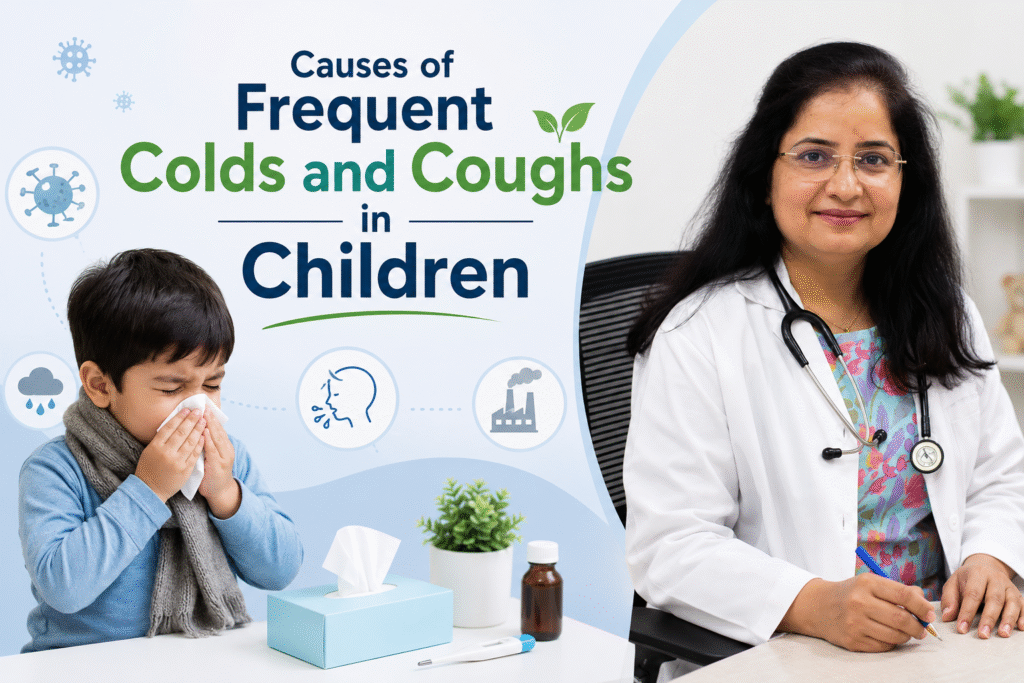
Causes of Frequent Colds and Coughs in Children
It is perfectly normal for young children to catch colds and coughs several times a year, especially during their early years when they are building immunity for the first time. However, when a child seems to fall ill every few weeks without fully recovering, it can be a sign that something more needs attention. Understanding the common causes of frequent colds and coughs in children can help parents take the right steps to protect their child’s health and break the cycle of recurring illness.
1. Immature and Developing Immune System
The most common reason young children get sick so often is simply that their immune systems are still developing. Newborns rely on maternal antibodies for protection, but as these fade over the first few months of life, children must begin building their own immunity from scratch. Every cold or infection a child contracts actually helps train their immune system to recognise and fight specific viruses in the future. This is why children between the ages of one and five tend to get six to eight colds per year this is biologically normal and part of healthy immune development.
2. Exposure to Viruses in Daycare and School
Children who attend daycare centres, playgroups, or school are exposed to a large number of viruses and bacteria on a daily basis. Shared toys, surfaces, and close contact with other children create ideal conditions for respiratory viruses to spread rapidly. This increased exposure, while seemingly problematic in the short term, actually accelerates immune learning and leads to fewer illnesses in later childhood. Frequent handwashing and teaching children not to touch their face can help reduce the frequency of infections in these environments.
3. Nutritional Deficiencies
A child who is deficient in essential nutrients particularly Vitamin C, Vitamin D, zinc, and iron is far more vulnerable to recurrent respiratory infections. These micronutrients play a direct role in producing and activating immune cells. Poor dietary habits, fussy eating, or inadequate nutrition during early childhood can significantly weaken immune defences. Ensuring a well-balanced diet rich in fresh fruits, vegetables, whole grains, proteins, and dairy can make a measurable difference in how often your child falls ill.
4. Allergies and Environmental Triggers
Many parents mistake allergic rhinitis for a repeated cold, as the symptoms runny nose, sneezing, watery eyes, and nasal congestion are very similar. Allergies triggered by dust mites, pollen, pet dander, mould, or air pollution can cause persistent nasal symptoms that closely resemble an ongoing respiratory infection. Poor indoor air quality, damp living conditions, and exposure to cigarette smoke are additional environmental factors that irritate the respiratory tract and increase susceptibility to infections.
5. Lack of Adequate Sleep
Sleep is one of the most underestimated factors in children’s immunity. During deep sleep, the body produces cytokines proteins that are essential for fighting infections and inflammation. Children who consistently get less sleep than recommended for their age have weakened immune responses and are more prone to catching colds and coughs. Maintaining a regular sleep schedule, limiting screen time before bed, and creating a calm bedtime environment are essential steps in supporting your child’s immune health.
6. Incomplete Recovery from Previous Illness
Sending children back to school or resuming normal activity before they have fully recovered from a previous illness can make them vulnerable to a second infection almost immediately. The immune system needs time and rest to fully recuperate. What may look like a new cold is sometimes the same infection resurging because the child was not given sufficient time to heal. Always ensure your child has completely recovered including normal appetite, energy levels, and no fever for at least 24 hours before returning to their regular routine.
7. Underlying Health Conditions
In some cases, unusually frequent or severe respiratory infections can indicate an underlying condition such as asthma, enlarged adenoids, sinusitis, or in rare cases, a primary immunodeficiency disorder. If your child is falling sick more than eight to ten times a year, takes longer than usual to recover, or develops complications with every illness, it is important to consult a qualified Pediatrician in Palam Vihar Gurgaon for a thorough evaluation. Early diagnosis of any underlying condition can significantly improve your child’s quality of life and reduce the frequency of illness.
8. When to Seek Medical Help
While most colds resolve on their own within 7 to 10 days, certain signs require prompt medical attention including high fever, difficulty breathing, persistent cough lasting more than two weeks, ear pain, or repeated infections without full recovery in between. Do not ignore these warning signs. Visiting a trusted Child Care Clinic in Gurgaon at the right time ensures your child receives the correct diagnosis, appropriate treatment, and personalized advice to break the pattern of recurrent illness.
Conclusion
Frequent colds and coughs in children are often a normal part of growing up, but persistent or severe illness should never be overlooked. By understanding the root causes from nutritional gaps and sleep deficiency to environmental allergens and underlying conditions parents can take proactive steps to strengthen their child’s immunity and reduce the frequency of illness. With the right care, guidance, and healthy habits, your child can grow stronger and more resilient with every passing year. At Gaur Child Care Clinic, Dr. Sonali Gaur specializes in diagnosing and managing recurrent childhood illnesses with a compassionate, thorough, and child-friendly approach. If your child keeps falling sick too often, do not wait an early consultation can make all the difference in their health and happiness.