
How to Prepare Your Child for a Pediatrician Visit Without Fear or Anxiety
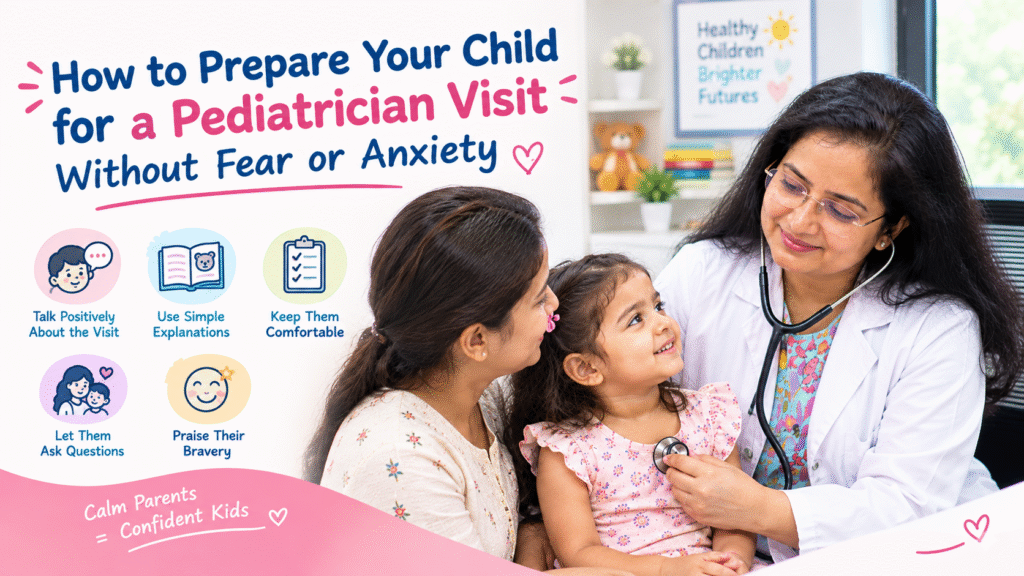
A visit to the doctor can feel unfamiliar to a child. New rooms, bright lights, medical equipment, and questions from unfamiliar people may create worry, especially if the child remembers an injection or another uncomfortable experience. Fear is a normal response, not misbehavior. A calm approach from parents can help children feel safer and learn that healthcare visits are a regular part of staying well.
Why Doctor Visits Can Feel Scary
Use simple, honest words to describe the appointment beforehand. Explain that the doctor may ask how your child feels, listen to their chest, look in their ears, and check their growth. Avoid promising that nothing will hurt, because some visits may include a vaccine or another brief discomfort. Instead, reassure your child that you will stay nearby and help them through each step.
Explain What Will Happen
Pretend play can make an appointment feel more familiar. Let your child use a toy stethoscope, check a doll’s heartbeat, or take turns being the doctor and patient. You can practise opening the mouth, listening to breathing, or checking a stuffed animal’s ears. Keep the game light and let your child lead. Play offers a safe way to ask questions and explore worries without pressure.
Practise Through Play
Children pay close attention to the language adults use. Avoid using the doctor as a threat or saying that a child will receive an injection for being naughty. Such statements can make healthcare seem like punishment. Instead, explain that doctors help children stay healthy and answer questions. If your child is nervous, acknowledge the feeling: “I can see you are worried. It is okay to feel that way, and I will be with you.”
Choose Words That Build Trust
A familiar toy, small blanket, or favourite book can provide reassurance in an unfamiliar setting. Bring any requested health records, vaccination details, medicines, and a written list of questions. Having these items ready can reduce last-minute stress for both parent and child.
Bring Comfort From Home
Whenever possible, choose a time when your child is usually rested and not hungry. Allow enough time to travel without rushing, and explain where you are going in advance. If your child has sensory needs or strong fears, tell the clinic staff before the visit. They may be able to explain the process, reduce waiting where possible, or suggest practical ways to help your child feel comfortable.
Plan the Appointment Thoughtfully
Give your child small choices when possible, such as which toy to bring or whether to sit on your lap or beside you. During the examination, encourage them to ask questions and tell the doctor if they need a moment. For babies and toddlers, a parent’s lap and gentle voice can provide comfort. Older children may feel more confident when the doctor speaks directly to them and explains each step.
Let Your Child Participate
Children often take emotional cues from their caregivers. Speak slowly, breathe steadily, and avoid showing frustration if your child cries or hesitates. After the visit, praise specific efforts, such as entering the room, answering a question, or trying to cooperate. Avoid judging the appointment as good or bad only by whether the child cried. The goal is to build trust over time.
Stay Calm and Praise Their Effort
A routine Pediatrician Visit for Children is not only for times when a child is ill. Regular appointments help families discuss growth, sleep, nutrition, behaviour, vaccinations, and developmental questions. Familiarity with the clinic and healthcare team may reduce uncertainty over time. Parents looking for a Best Pediatrician in Palam Vihar can consider a professional who listens patiently, explains examinations in child-friendly language, and welcomes questions from children and caregivers.
Make Regular Care Familiar
Preparing a child for a doctor’s appointment takes patience, honesty, and reassurance. Explaining what to expect, practising through play, bringing a familiar comfort item, and offering small choices can make the experience less intimidating. If a child remains anxious, share those concerns with the clinic team so they can suggest suitable support. With calm preparation and respectful care, doctor visits can gradually become a familiar and manageable part of a child’s healthy routine.