
How to Keep Your Newborn Healthy During Changing Seasons
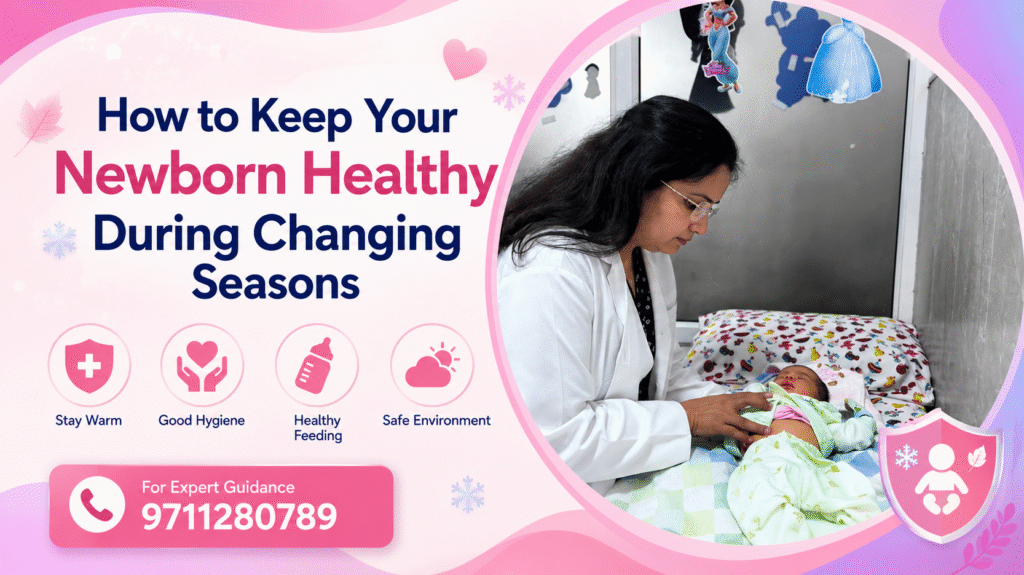
Welcoming a newborn into your home is a moment of pure joy but it also comes with a great deal of responsibility, especially when the seasons are shifting. Newborns are extremely vulnerable to temperature changes, infections, and environmental factors because their immune systems are not yet fully developed. Whether it is the dry winter chill, the humid monsoon air, or the scorching summer heat, each seasonal transition brings unique health challenges for your baby. Understanding how to protect your newborn during these changes is one of the most important things you can do as a parent.
1. Dressing Your Newborn Right for the Season
Newborns cannot regulate their own body temperature the way older children and adults can. In cooler weather, dress your baby in soft, breathable layers so you can easily add or remove clothing as temperatures change throughout the day. In hot and humid seasons, lightweight cotton clothing is ideal avoid overdressing as it can lead to heat rash and discomfort. A simple rule to follow is to dress your baby in one more layer than you are wearing. Always check the back of the neck or the abdomen not the hands or feet to gauge your baby’s actual body temperature.
2. Maintaining the Right Room Temperature
The ideal room temperature for a newborn is between 24 and 27 degrees Celsius. Avoid placing your baby directly under a fan or air conditioner, as direct airflow can cause congestion and respiratory irritation. During winter, ensure the room is warm but well-ventilated stuffy rooms can also be harmful. In summer, use a fan on a low setting or keep the air conditioner at a comfortable temperature rather than excessively cold. Keep your baby away from open windows during monsoon season when the air is damp and temperatures can fluctuate suddenly.
3. Breastfeeding – Your Baby’s First Line of Defence
Breast milk is the single most effective way to protect your newborn from seasonal illnesses. It contains powerful antibodies, immune cells, and anti-inflammatory compounds that adapt to your baby’s changing needs. When you are exposed to a virus or bacteria, your body produces specific antibodies that pass directly into your breast milk, giving your baby targeted protection. Exclusive breastfeeding for the first six months provides a strong immune shield during every seasonal transition. Even during hot weather, breast milk provides adequate hydration there is no need for water supplementation in exclusively breastfed newborns.
4. Protecting Against Infections and Germs
Seasonal transitions often coincide with surges in viral infections like colds, flu, and respiratory syncytial virus (RSV), all of which can be serious in newborns. Limit your baby’s exposure to large gatherings and crowded places during the first few months of life. Ensure all family members and visitors wash their hands thoroughly before handling the baby. Anyone with a cold, cough, or fever should avoid close contact with the newborn until they recover completely. Keeping the baby’s environment clean and avoiding smoke exposure are equally important preventive measures.
5. Skincare and Hygiene Through the Seasons
Newborn skin is delicate and highly sensitive to seasonal changes. In winter, dry air can cause skin to become flaky and irritated use a gentle, fragrance-free baby moisturiser after bath time to keep the skin hydrated. In summer and monsoon, heat rashes and fungal infections are common ensure all skin folds are kept dry and clean. Bathe your baby with lukewarm water not hot or cold and use mild, hypoallergenic baby products. Avoid using traditional oils or home remedies on newborn skin without consulting your doctor first.
6. Safe Outdoor Time and Sun Exposure
Gentle morning sunlight can be beneficial for newborns as it helps the body produce Vitamin D, which is essential for bone development, and also helps manage mild jaundice in the early weeks. Keep outdoor sun exposure to 10 to 15 minutes in the morning before 9 AM when the sun is not too harsh. In summer, avoid taking your newborn outside during peak heat hours. During monsoon, ensure your baby is well-covered and not exposed to rain or cold wind. In winter, a short walk in the mild midday sun can be refreshing and beneficial for both baby and mother.
7. Keeping Up with Vaccinations and Health Check-Ups
Vaccinations beginning at birth are a critical component of newborn health, regardless of the season. The BCG, Hepatitis B, and OPV vaccines given at birth are followed by a series of immunizations at regular intervals in the first few months of life. Never delay or skip scheduled vaccinations due to seasonal concerns your doctor will advise you if a vaccination needs to be rescheduled due to the baby’s health. Consulting a reliable Pediatrician in Palam Vihar Gurgaon for timely vaccinations and routine newborn check-ups ensures your baby is protected and growing well through every season of the year.
8. Warning Signs That Need Immediate Attention
During seasonal changes, newborns can deteriorate quickly if symptoms are ignored. Seek immediate medical attention if your baby develops a fever above 100.4°F (38°C), shows difficulty breathing, is feeding poorly, appears unusually lethargic, has persistent vomiting or loose stools, or develops a bluish tint around the lips. These are medical emergencies in newborns and should never be managed at home. Prompt care at a trusted Newborn Care in Gurgaon centre ensures your baby receives the expert attention they need without any delay.
Conclusion
Keeping your newborn healthy during changing seasons requires awareness, preparation, and consistent medical care. From appropriate clothing and room temperature to breastfeeding, hygiene, and timely vaccinations, every small step you take contributes to your baby’s resilience and well-being. Trust your instincts as a parent, stay observant, and never hesitate to seek professional guidance when something does not feel right. Your newborn’s health is always worth taking seriously every single day.
At Gaur Child Care Clinic, Dr. Sonali Gaur offers compassionate, expert newborn care to help families navigate the early months with confidence through every season and every challenge. From birth vaccinations and growth monitoring to seasonal health guidance, Gaur Child Care Clinic is your trusted partner in your newborn’s health journey.