
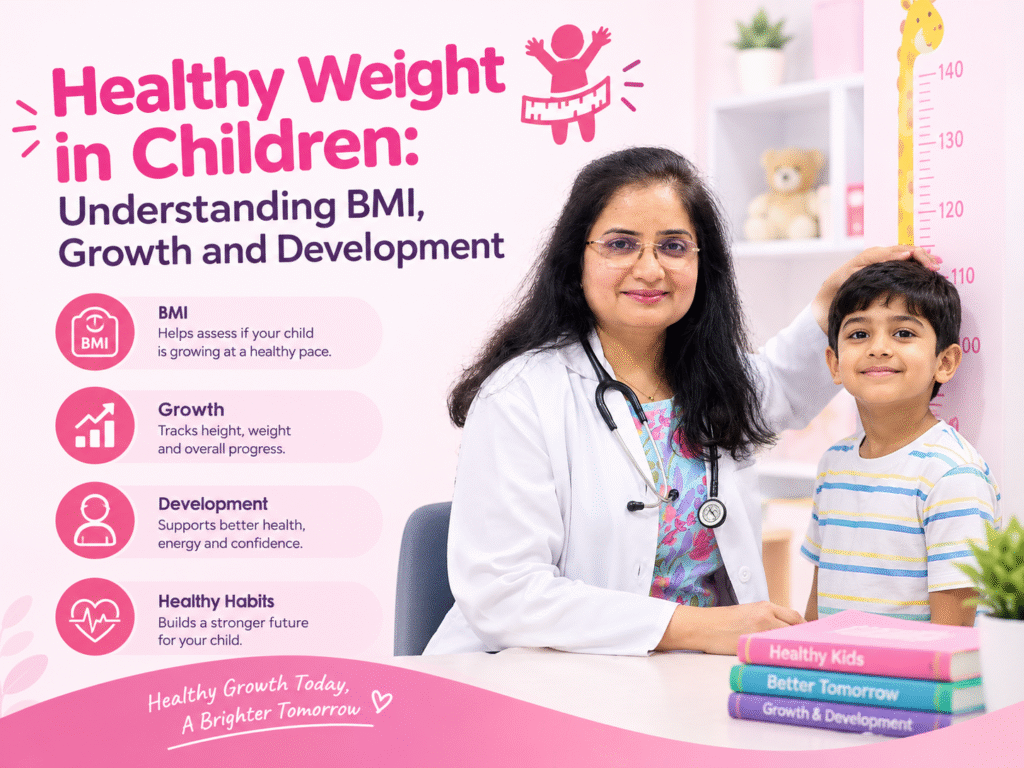
Healthy Weight in Children: Understanding BMI, Growth and Development
Why Healthy Weight Matters
A child’s weight is one part of a much bigger picture of health. Children grow at different rates, and changes in height, weight, appetite, and body shape are normal throughout childhood. Rather than judging health by appearance alone, parents can look at a child’s energy, sleep, eating habits, physical activity, and overall development. A healthy approach focuses on steady growth and habits that support wellbeing, not on reaching a particular number on the scale.
Understanding BMI in Children
Body mass index, or BMI, is calculated using a child’s weight and height. For children and teenagers, BMI is interpreted differently from adult BMI because expected body composition changes with age and differs by sex. Healthcare professionals compare a child’s BMI with age- and sex-specific growth charts to understand the pattern over time. BMI is a screening tool, not a diagnosis on its own. It cannot distinguish muscle from fat or explain every factor affecting a child’s health, so results should be discussed with a qualified clinician.
Growth Charts Show the Bigger Picture
A single measurement rarely tells the whole story. A pediatrician may review height, weight, and BMI measurements collected over several visits to see whether a child is following their usual growth pattern. Some children naturally track along a higher or lower percentile and remain healthy. A sudden change in the growth pattern, a fall in height growth, or a rapid increase in weight may deserve closer attention. Accurate measurements and regular follow-up make it easier to notice meaningful changes.
Everyday Habits That Support Healthy Growth
Children benefit from regular meals and snacks that include a variety of foods. Offer fruits, vegetables, whole grains, protein-rich foods, and suitable sources of calcium, while making water the usual drink. Try to keep mealtimes calm and avoid using food as a reward or punishment. Children should be encouraged to notice hunger and fullness cues, without pressure to clean their plates. Family routines often work better than singling out one child for different rules.
Movement, Sleep and Screen Time
Play is an important part of childhood health. Running, cycling, dancing, swimming, outdoor games, and active family time help build strength and coordination while making movement enjoyable. Age-appropriate sleep supports mood, learning, and physical development. Consistent bedtimes and a relaxing evening routine can help. Balancing recreational screen use with movement, sleep, schoolwork, and face-to-face activities also supports a healthy daily rhythm. The goal is to create realistic habits the whole family can maintain.
Avoiding Weight Stigma
Comments about a child’s body can affect confidence and their relationship with food. Avoid teasing, comparisons with siblings, or describing foods and bodies as ‘good’ or ‘bad.’ If a health concern arises, speak privately with a healthcare professional and use neutral, supportive language at home. Focus on behaviours such as eating a range of foods, being active, and sleeping well rather than appearance. Children are more likely to build lasting habits when they feel respected and included.
When to Seek Professional Guidance
Consider a pediatric review if you notice a marked change in weight, concerns about height growth, persistent tiredness, feeding difficulties, restrictive eating, or distress about body image. Do not start a child on a weight-loss diet or supplements without medical guidance. A clinician can assess the child’s medical history, growth pattern, nutrition, activity, sleep, and emotional wellbeing before recommending next steps. Depending on the findings, the family may receive practical guidance or be referred to another qualified specialist.
Choosing Ongoing Pediatric Support
Parents seeking the Best Pediatrician in Palam Vihar may look for someone who explains growth measurements clearly, listens to family concerns, and recommends supportive steps suited to the child’s age and needs. Consistent Child Growth and Development Tracking in Gurgaon can help families review height, weight, developmental milestones, and everyday health habits over time. Dr. Sonali Gaur encourages parents to treat growth as an ongoing process rather than a competition or a single target.
Conclusion
Healthy weight in childhood is best understood through growth patterns, development, nutrition, activity, sleep, and emotional wellbeing together. BMI can help start a conversation, but it should never be used alone to label a child or decide what they need. With regular check-ups, balanced family routines, and respectful communication, parents can support healthy development without unnecessary pressure. If you are worried about your child’s growth, seek personalized advice from a qualified pediatrician who can assess the full picture.