
Best Foods to Support Brain Development in Kids
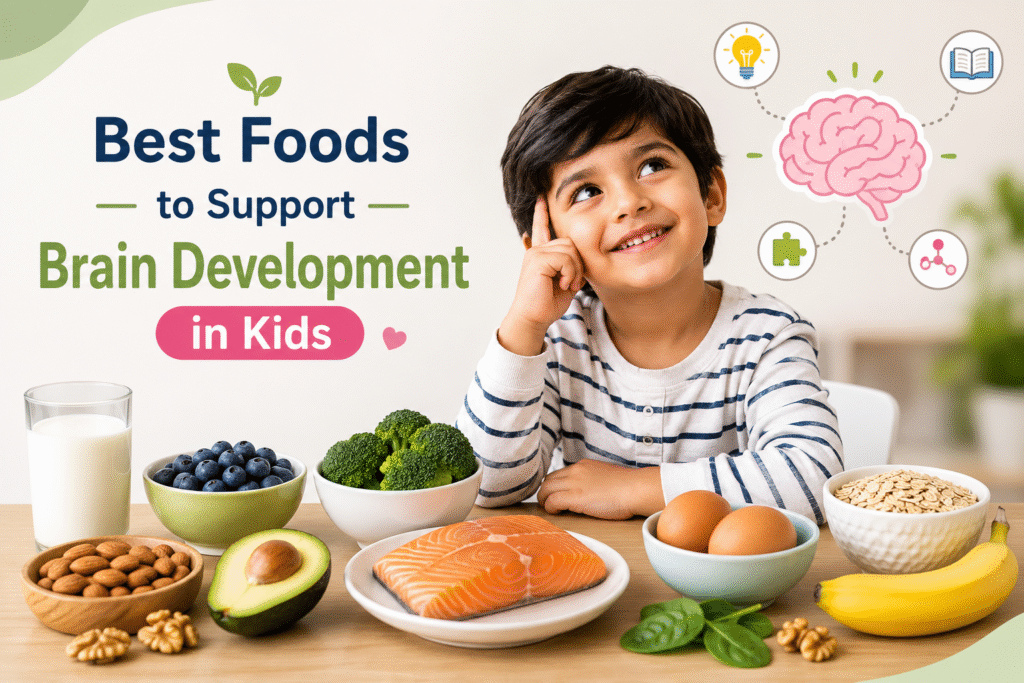
A child’s brain grows faster in the first five years of life than at any other time. By the age of three, a child’s brain reaches approximately 80 percent of its adult size and the quality of nutrition during this period plays a direct and powerful role in shaping how well the brain develops. The right foods fuel cognitive function, support memory and concentration, and lay the neural foundations for learning, language, and emotional intelligence. As a parent, what you put on your child’s plate every day is one of the most impactful investments you can make in their future.
1. Breast Milk – Nature’s Original Brain Food
For infants, breast milk is unquestionably the best brain food available. It is rich in DHA (docosahexaenoic acid), an omega-3 fatty acid that is critical for the development of the brain and retina. Breast milk also contains long-chain polyunsaturated fatty acids, lactoferrin, and growth factors that actively support neural development. Studies consistently show that exclusively breastfed babies have better cognitive outcomes, improved memory, and stronger language development compared to formula-fed infants. The first six months of exclusive breastfeeding are particularly crucial for laying the foundation of lifelong brain health.
2. Eggs – Packed with Choline and Protein
Eggs are among the most nutrient-dense foods for brain development. They are an excellent source of choline, a nutrient essential for the production of acetylcholine a neurotransmitter that plays a key role in memory and learning. Eggs also provide high-quality protein, Vitamin B12, and Vitamin D, all of which support healthy brain function. Introduce well-cooked eggs after six months of age and make them a regular part of your child’s breakfast. A simple omelette or boiled egg is an easy, affordable, and powerful brain-boosting meal for children of all ages.
3. Fatty Fish – Rich in Omega-3 Fatty Acids
Fatty fish such as salmon, sardines, and mackerel are among the richest dietary sources of DHA and EPA the two omega-3 fatty acids most closely linked to brain health. DHA makes up a significant portion of the brain’s grey matter and is essential for the development of nerve cells and synaptic connections. Children who consume adequate amounts of omega-3 fatty acids tend to have better concentration, improved reading ability, and stronger memory recall. Aim to include fish in your child’s diet at least twice a week, prepared in a child-friendly way such as grilled or lightly curried.
4. Nuts and Seeds – Tiny Powerhouses of Nutrition
Walnuts, almonds, flaxseeds, and chia seeds are excellent sources of omega-3 fatty acids, Vitamin E, zinc, and magnesium all of which play important roles in brain development and cognitive performance. Walnuts in particular are shaped remarkably like the human brain and are one of the best plant-based sources of alpha-linolenic acid (ALA), a type of omega-3 that supports brain cell membrane health. A small handful of mixed nuts or a spoonful of nut butter added to your child’s daily diet can make a meaningful contribution to their cognitive development.
5. Colourful Fruits and Vegetables – Antioxidants for the Brain
Berries, oranges, spinach, broccoli, carrots, and sweet potatoes are packed with antioxidants, vitamins, and phytonutrients that protect the brain from oxidative stress and inflammation. Vitamin C found in citrus fruits and guava supports the production of neurotransmitters, while Vitamin K and folate in leafy greens contribute to cognitive function and brain cell formation. The more colourful and varied your child’s plate, the broader the range of brain-protective nutrients they receive. Encourage a rainbow diet from the time solid foods are introduced.
6. Whole Grains – Steady Energy for a Growing Brain
The brain depends on a steady supply of glucose for energy, and whole grains provide exactly that. Unlike refined carbohydrates that cause blood sugar spikes and crashes, whole grains such as oats, brown rice, whole wheat, and millets release glucose slowly and consistently keeping your child’s brain alert, focused, and energised throughout the day. Oats for breakfast is a particularly excellent choice as it also contains B vitamins and fibre that further support neurological health. Replace refined grains with whole grain alternatives gradually to build healthy eating habits.
7. Dairy Products – Calcium and B Vitamins for Neural Health
Milk, curd, paneer, and cheese are rich in calcium, Vitamin B12, and iodine all of which are essential for the development and maintenance of the nervous system. Iodine deficiency in early childhood is a leading cause of preventable intellectual disability worldwide, making iodine-rich foods like dairy and iodised salt particularly important. Vitamin B12 supports the formation of myelin the protective sheath around nerve fibres that enables fast and efficient communication between brain cells. If you are unsure about your child’s nutritional intake, consulting a trusted Pediatrician in Palam Vihar Gurgaon can help you get personalised dietary guidance tailored to your child’s age, growth, and specific nutritional needs.
8. Starting Right – Nutrition from Day One
Brain development begins not at birth, but during pregnancy and continues at an extraordinary pace through infancy and early childhood. The foundations laid in the first thousand days of a child’s life, from conception to age two, have a lasting impact on intelligence, learning capacity, and emotional resilience. For families seeking expert guidance on infant nutrition and early brain development, quality Newborn Care in Gurgaon includes not just medical check-ups and vaccinations, but also comprehensive nutritional counselling to ensure your baby gets the right start from day one.
Conclusion
Feeding your child for brain health does not require expensive supplements or complicated meal plans. It simply means building a diet rich in whole, natural, nutrient-dense foods starting with breast milk in infancy and expanding to a colourful variety of brain-boosting foods as your child grows. Small, consistent dietary choices made every day add up to a lifetime of cognitive advantage. Start today, stay consistent, and watch your child’s mind flourish.
At Gaur Child Care Clinic, Dr. Sonali Gaur provides expert nutritional guidance and pediatric care to help your child reach their full cognitive and physical potential. From newborn feeding advice to school-age nutrition planning, Gaur Child Care Clinic is your trusted partner in raising a healthy, bright, and thriving child.